Business
“Liberation Day” has reshaped trade—but not as Donald Trump hoped
“Liberation Day” reshaped global trade, making it more robust in many respects, contrary to Donald Trump’s expectations.
Can a country get too rich?
Norway’s extreme wealth reveals hidden dangers, suggesting that excessive affluence can become a burden. This case study highlights the complex challenges of managing extraordinary national prosperity.
Coal is back in fashion
Global LNG shortages are driving a resurgence in coal usage, reviving the world’s most polluting energy source despite environmental concerns.
After Iran, gold is looking less glittery
Gold’s appeal wanes after Iran, raising questions if it’s becoming the new crypto.
How Iran is making a mint from Donald Trump’s war
China enables Iran’s Revolutionary Guards to profit from oil exports amid Trump’s conflict, creating a financial windfall for Tehran.
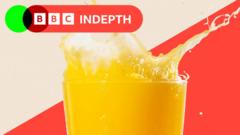
The £5.30 orange juice that tells the story of why supermarket prices are sky high
A £5.30 orange juice highlights soaring supermarket costs driven by inflation, supply chain issues, and Brexit. This surge exemplifies the broader "perfect storm" impacting UK household food bills.
The decline and fall of the Roman currency empire
Ancient Roman currency history offers sobering insights into the current supremacy of the US dollar.
Christine Lagarde’s sober tone on the Gulf war energy shock
ECB President Christine Lagarde adopts a cautious tone regarding energy disruptions in the Gulf, signaling careful monitoring of potential economic impacts.
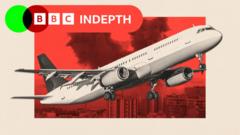
Prepare for turbulence - how a prolonged Middle East conflict could reshape how we fly
Middle East conflict disrupts Gulf aviation hubs and doubles jet fuel prices via the Strait of Hormuz blockade. This crisis forces airlines to cut schedules, reshaping global air travel logistics and costs.
Markets are gripped by an alarming cognitive dissonance
Markets suffer from cognitive dissonance as investors universally assume others are mistaken. This collective delusion drives irrational pricing and disconnects assets from fundamental reality.
China’s new masterplan for its tech economy in 2030 and beyond
China’s 2030 tech masterplan aims for global leadership, driven by awe-inspiring ambitions. This strategic blueprint targets dominance in key technologies, signaling a major shift in the global economic landscape.
How high could global inflation go?
While hoping Iran’s conflict avoids a recession, rising energy costs are expected to increase global living expenses.
Westerners are fleeing their countries in record numbers
Record numbers of Westerners are leaving home, triggering significant economic repercussions in both their countries of origin and their new destinations.
Even the best-case scenario for energy markets is disastrous
Even optimistic energy market forecasts predict persistent high prices long after the Iran conflict ends, signaling inevitable disaster.

Sir John Curtice: Why Labour's Brexit focus has shifted from Leavers to Remainers
Labour’s rhetoric has shifted from appeasing Leavers to addressing Remainers, with ministers now openly citing Brexit’s economic damage to justify deeper EU ties, despite maintaining red lines against rejoining the single market.
America may be a petrostate. But the energy shock still hurts
Despite U.S. petrostate status, energy shocks still inflict damage, compounding the dissatisfaction of financially struggling citizens.
Which country is the biggest loser from the energy shock?
This study evaluates developing nations' vulnerability and resilience to the energy crisis, identifying the country most severely impacted by the shock.
The new economics of sex work
The sex economy’s expansion demands rigorous examination. This emerging financial landscape requires critical analysis to understand its growing economic impact and societal implications.
What if Donald Trump decided to ban oil exports?
Banning oil exports to suppress prices could backfire, causing domestic supply shortages and higher fuel costs. This strategy risks severe economic consequences for the U.S. energy sector and consumers.
Will South Korea’s epic bull market survive the energy shock?
South Korea’s bull market is likely to survive the energy shock, though participants should brace for increased instability.