Streeting suggests NI cut and North Sea drilling

Streeting Advocates for NI Reduction and Limited North Sea Drilling
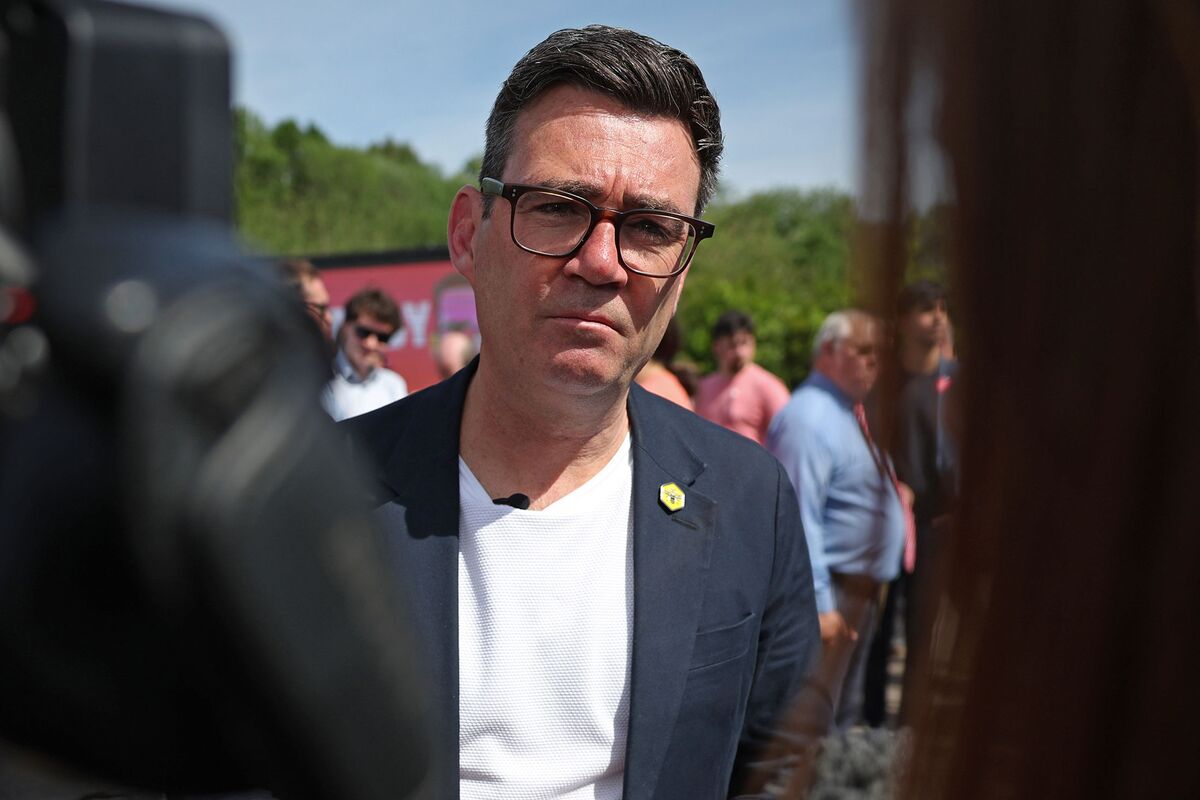
Former Health Secretary Wes Streeting has proposed reducing employers’ National Insurance (NI) contributions as a strategy to encourage companies to recruit more young workers. In a recent interview with the Sunday Times, he also argued that permitting new North Sea oil and gas drilling could be justified on the grounds that it would generate additional tax revenue.
Since leaving the cabinet just over two weeks ago, Streeting has increasingly distanced himself from the policy direction of Sir Keir Starmer’s administration. The former minister, who has declared his intention to challenge Sir Keir in any future Labour leadership contest, previously stated that the UK’s long-term future lies in returning to the European Union and advocated for the implementation of a "wealth tax."
Now, Streeting is promoting a "targeted" reduction in National Insurance to address the issue of youth unemployment. This proposal comes in the wake of a report by Alan Milburn regarding the growing number of young people not in education, employment, or training, commonly referred to as NEETs.
"We have to make it easier for business to employ young people and for businesses to take that risk on someone," Streeting told the Sunday Times. "I think we should be thinking actively about how to incentivise, whether that's through targeted reduction in employers' National Insurance or other kinds of recruitment and retention incentives."
The current NI landscape was reshaped by Labour’s first budget following their 2024 election victory, which prioritized raising taxes to fund public services. Employer NI rates were raised from 13.8% to 15%, and the threshold for applying the tax was lowered from £9,100 to £5,000. These changes were designed to raise £25 billion annually, with the National Health Service—a department Streeting led until his departure earlier this month—being a primary beneficiary. While Streeting suggested lowering employer NI, he did not indicate any intention to reduce NHS spending in his comments to the press.
Milburn’s review noted that employers cited Labour’s increases in NI and the minimum wage as disincentives for hiring young people. However, he added that the Low Pay Commission, which monitors the sector, concluded that there is "no straightforward impact" on youth employment rates resulting from these tax and wage hikes. Furthermore, Milburn emphasized that the NEET issue is not a recent phenomenon, stating, "It's been going on since time immemorial."
The government counters that many young workers are already exempt from employer NI contributions; employers do not pay NI for staff under 21, unless their salary exceeds £50,000. Sir Keir’s administration highlighted that implementing the "biggest youth employment reforms in a generation" remains a priority, aiming to help half a million young people secure work. Among these new initiatives is a "youth jobs grant" providing £3,000 to employers who hire individuals aged 18 to 24 who have been on benefits and job-seeking for at least six months.
Responding to Streeting’s proposal, Work and Pensions Secretary Pat McFadden told the BBC that any tax relief would incur costs that must be covered. "Business will always raise its costs with us whether it's national insurance or anything else," he said in an interview with Laura Kuenssberg. He added that if the rise in NEETs were solely due to decisions made in the last year or two, it "wouldn't be a problem which has been on the rise for years."
Streeting has also sought to distinguish his views from Sir Keir’s regarding North Sea drilling. Labour’s 2024 manifesto committed to not issuing new licenses for exploring new fields, arguing that such projects would not lower energy bills, fail to ensure energy security, and would exacerbate the climate crisis. However, the Conservatives and Reform UK have pressured Sir Keir to approve further drilling, labeling the refusal to utilize domestic resources as "reckless," particularly in light of the conflict in Iran.
Source: BBC News Generated at: 2026-05-31 09:49:28 UTC